What Really Happens Between Your First Email and That Finished Sculpture
There's a moment in every commission that never gets old: when a client sees their piece for the first time, finished, and realizes the sketch on that napkin months ago became this. It's the payoff of a process most people never get to see. So we figured — why not show you?
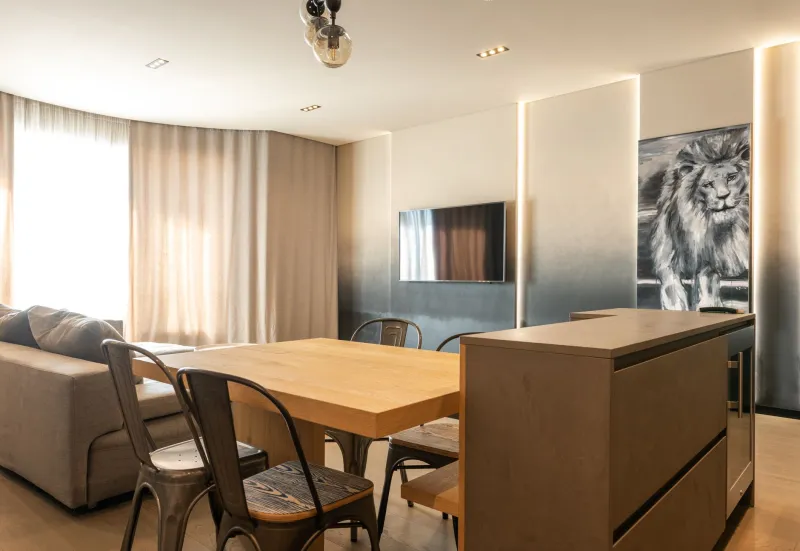
Whether you're a homeowner dreaming up a statement piece for your entryway or an interior designer sourcing something truly singular for a client in Austin or Portland, here's how a custom metal commission actually unfolds at a shop like ours.
It Starts With a Conversation, Not a Quote
The first step isn't about metal at all — it's about listening. Where will the piece live? What's the light like in that room? Are we complementing mid-century furnishings or something more rustic-modern?
We ask about scale, sightlines, and even how the piece will be viewed morning versus evening. A sculpture that reads beautifully against a white gallery wall might disappear entirely against exposed brick. Good artisans obsess over these details early, because they shape every decision downstream.
Expect this phase to take one to two weeks. It usually involves sketches, reference images, and honest back-and-forth. And yes — it's completely fine to bring a Pinterest board. We'd rather see your taste than guess at it.
Design Development: Where Ideas Take Shape
Once we understand the vision, the real design work begins. Concept sketches evolve into more refined drawings, and for complex pieces, we may build small-scale maquettes or produce digital renderings so you can visualize proportions before a single bar of steel is cut.
This is also where material conversations happen. Steel, bronze, copper, and weathered Cor-ten each behave differently — structurally, aesthetically, and over time. Copper develops a living patina. Powder-coated steel stays crisp and modern. Bronze carries warmth that photographs beautifully. Your artisan should walk you through the tradeoffs honestly, including maintenance expectations.
Design approval typically takes two to four weeks depending on complexity, and a deposit usually locks in your slot on the fabrication calendar.
The Forge: Where Craft Meets Fire
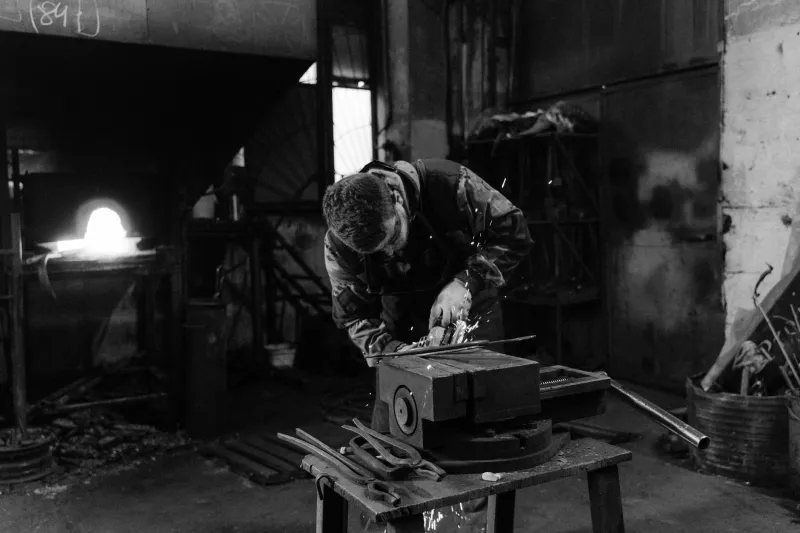
This is the part clients rarely see, and honestly, it's the heart of everything.
Depending on the design, fabrication might involve:
- Forging — heating metal and shaping it by hammer, which gives organic, hand-formed curves no machine can replicate
- Welding — TIG and MIG work that joins elements with precision; on fine pieces, welds are ground and blended until they vanish
- Cutting and forming — plasma cutting, rolling, and bending to achieve exact geometry
- Texturing and finishing — hammer marks, brushed finishes, heat patinas, or protective clear coats
A single sculptural piece can involve dozens of hours of hands-on work. That's not inefficiency — it's the point. Every hammer blow leaves evidence of a human hand, which is precisely what mass production can't offer.
Timelines and Pricing: The Straight Talk
Let's be real about expectations. Most custom sculptural commissions run six to fourteen weeks from deposit to delivery, depending on queue and complexity. Pricing typically reflects material costs, shop hours, and design time — which is why a hand-forged piece costs more than something cast from a mold overseas.
A good rule of thumb: if a shop quotes instantly without questions, be wary. Thoughtful work takes thoughtful scoping.
Installation Day and Beyond
Larger pieces may require anchoring, crane assistance, or coordination with your contractor or designer — we handle that planning in advance. Once installed, we walk you through care: how to clean, what patina changes to expect, and when (if ever) to reapply protective finishes.
How to Be a Great Collaborator
The best commissions happen when clients share honestly. Communicate your budget range early — it lets the artisan design smartly rather than over-promise. Be decisive during approvals, since changes after fabrication begins get expensive fast. And trust the craft: if your metalworker suggests adjusting a curve for structural integrity, there's a good reason.
A custom metal piece isn't just decor. It's a collaboration between your vision and someone's hands — and that's exactly what makes it worth the wait.