Budget for the One Thing You Can't Buy Off a Shelf

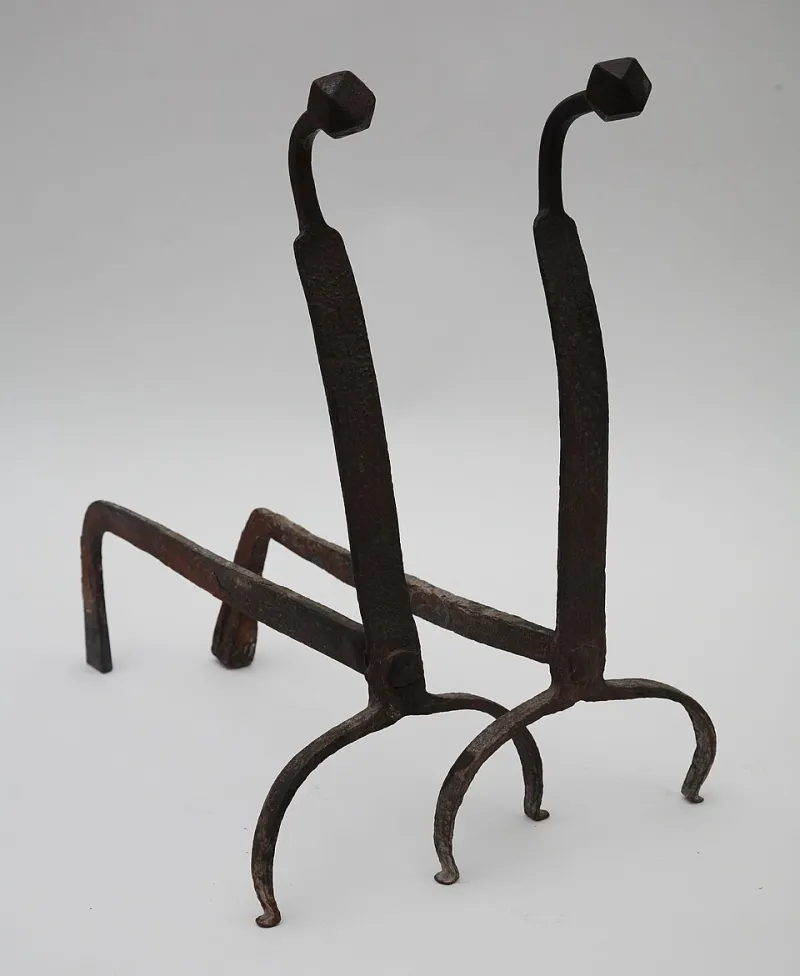
Photo: R. Henrik Nilsson, CC BY 4.0, via Wikimedia Commons
Ask anyone who's just come out the other side of a new build what they remember, and you'll hear about tile samples spread across the kitchen table, paint swatches taped to the wall, the great backsplash debate of week nine. What you won't hear about is the one thing that would have made the finished house feel like theirs from day one: a single piece of custom metalwork.
It's the strangest blind spot in residential construction. Homeowners will agonize over a $4 difference in cabinet hardware but won't think to set aside a few thousand dollars for something nobody else on the block will ever have. We think that's worth fixing — and the timing matters more than you'd expect.
The Finishing-Touch Fallacy
Most people file "commissioned metalwork" under the same mental category as art: something you hunt for after the house is done, once the rooms exist and you can see what's missing.
That instinct makes sense for paintings. It's exactly backward for metal.
A forged stair rail isn't decoration — it's architecture. A range hood in hammered copper isn't an accessory — it's a structural element with ductwork behind it. A fireplace screen is sized to a firebox that's being roughed in right now. These pieces need to be in the conversation while walls are open and dimensions are still fluid, not retrofitted into a finished space.
The homeowners who get the best results treat a commission like a subcontractor, not a shopping trip.
The Right Moment to Make the Call
Here's the rough playbook we've watched work well across dozens of builds and renovations:
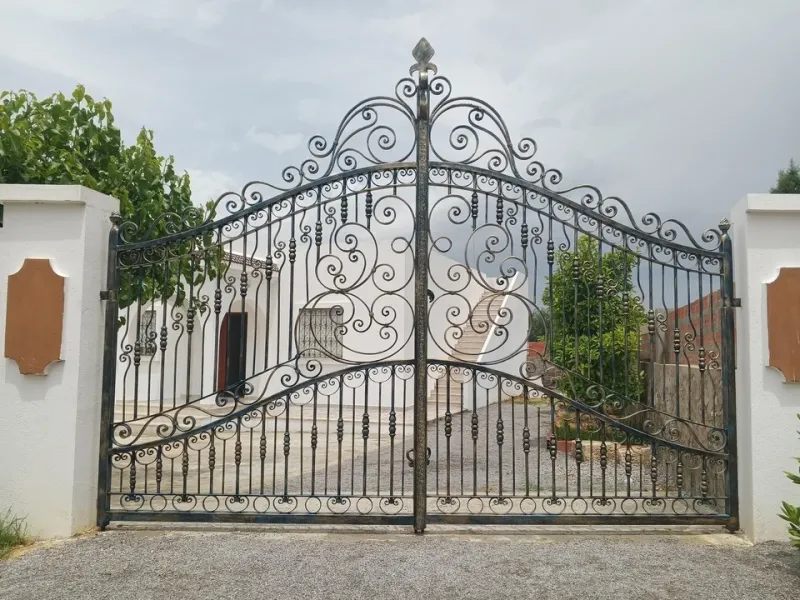
Framing stage (earliest, best). If your piece is structural — a staircase rail, a balcony balustrade, an exterior gate — bring a metalworker in while the framer's still on site. Measurements get taken from real framing, not plans that changed three weeks ago.
Rough-in stage. Range hoods and light fixtures fall here. The electrician needs to know where that chandelier will hang, and the HVAC crew needs to know the hood's duct path before drywall closes things up.
Drywall stage (latest, still workable). Fireplace screens and freestanding sculpture can be commissioned this late, but you're working from finished dimensions with zero flexibility. Fine for a screen; less fine for a rail.
The practical takeaway: put the line item in the budget during design, and make the first phone call no later than when the drywallers are scheduled. Good smiths book out — six to ten weeks is a normal lead time for a meaningful piece, and that clock starts at the design conversation, not the deposit.
One Piece, Whole Room
There's a design principle that interior designers lean on constantly and homeowners often discover by accident: a single handmade element sets the tone for everything around it.
We've seen it play out the same way again and again. A family in Colorado commissioned a forged rail with a subtle aspen-leaf motif for their mountain-build staircase. Once it went in, everything else reorganized itself around it — the light fixtures got warmer, the furniture got simpler, the whole entry gained a point of view it never had on the mood board. The rail cost less than the light fixtures. It did infinitely more work.
That's the quiet math of a commission. One piece, made by hand, gives a room a center of gravity. Ten pieces bought to match it never quite pull it off.
What's Worth Being Your One Piece
If you're only budgeting for a single commission, spend it where eyes and hands land most:
- The stair rail — the most-touched object in most homes, and visible from multiple floors
- A range hood — the kitchen is where guests gather, and a forged hood reads as custom millwork at metal prices
- A fireplace surround or screen — the hearth is still the room's anchor, especially in the half of the country that gets a real winter
- The front door hardware or entry gate — the first three seconds of every visit, every time
Pick the one your floor plan points at. Every house has a spot your eye goes to whether you mean it or not. That's the spot.
Write It Into the Budget Now
Line items get trimmed under construction pressure — that's just how builds go. A budget line that exists from day one, with a metalworker already contacted, survives. A "we'll figure out decor later" intention doesn't.
You spent months choosing tile and paint. Spend one phone call on the piece that will still be anchoring your home forty years from now — and maybe still anchoring your kids' homes after that. That's not decor. That's the part of the build that makes it yours.