Coastal Rust, Desert Bloom: Picking the Right Metal for Where You Actually Live
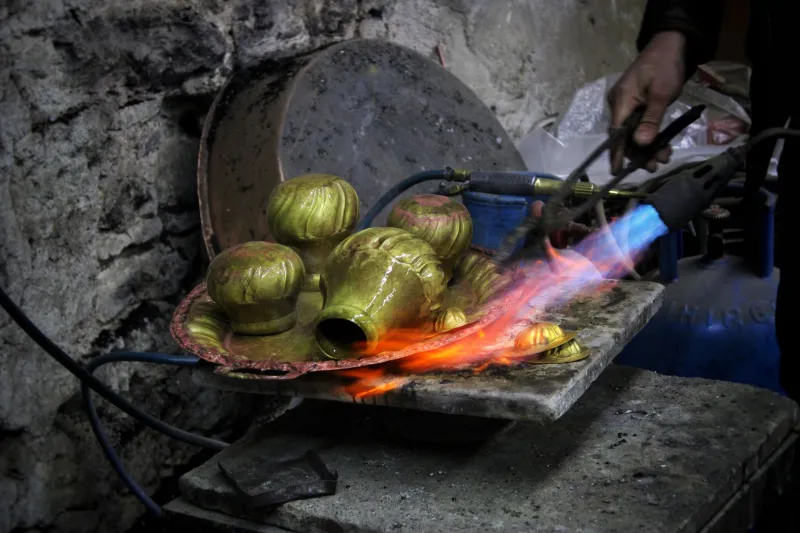
Every few weeks, someone emails us the same question in slightly different words: I love this piece, but will it survive my house?
It's a fair question. Metal doesn't behave the same way in a Minneapolis four-season home as it does in a Charleston garden room with salt air drifting in twice a day. Choosing the right material isn't just an aesthetic call — it's a climate call, a maintenance call, and honestly, a lifestyle call.
So let's walk through the big five, the way we'd talk about them across the workbench.
Wrought Iron: The Old-Soul Workhorse
There's a reason iron gates in New Orleans and Santa Fe have stood for a century. Properly wrought iron is dense, low in carbon, and remarkably forgiving — it bends rather than shatters, and it takes a beating.
But here's the catch: iron wants to rust. In dry climates, that's a slow, dignified process that reads as character. In humid or coastal regions, it's a real maintenance commitment. An iron railing on a beachfront porch in the Outer Banks will need attention on a schedule — cleaning, sanding, and a fresh coat of protective finish every couple of years.
Best for: Interior staircases, entry gates, fireplace surrounds — especially in dry or moderate climates. Skip it if: You're oceanfront and allergic to maintenance.
Copper: The Metal That Does the Work for You
Copper is the introvert's dream material. It doesn't fight the elements — it negotiates with them. Left alone, it shifts from bright penny tones through amber into that soft green-blue verdigris you see on old church roofs in Boston and copper barn roofs across Vermont.
That transformation isn't decay; it's self-protection. The patina layer shields the metal underneath, which means copper range hoods, backsplashes, and outdoor lanterns age gracefully with almost zero intervention. Humidity just speeds up the show.
Best for: Kitchens, bathrooms, outdoor lighting, anywhere you want living color. Heads up: If you hate change, copper will test you. Some clients ask us to seal it and freeze the tone — that's always an option.
Brass: Warmth With an Attitude
Brass is having a moment in American interiors again, and honestly, it never really left. It's an alloy of copper and zinc, which gives it that golden warmth — plus solid corrosion resistance, even in muggy Southern summers.
Unlacquered brass darkens toward a rich, moody brown over time. Designers in places like Savannah and Portland lean into this hard, mixing aged brass hardware with walnut and plaster. If you want it to stay bright, lacquered finishes exist, but they can wear unpredictably on high-touch pieces.
Best for: Cabinet pulls, lighting, mirror frames, fireplace tools. Watch for: Fingerprints. Polished brass in a busy hallway shows every one.
Steel: The Modern Minimalist
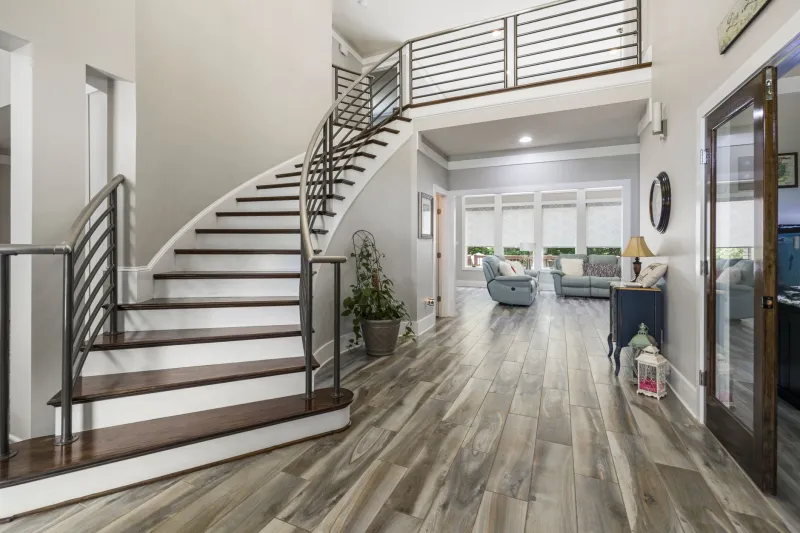
Raw and mild steel are the backbone of contemporary metalwork — think thin-line table bases, floating shelves, sculptural staircases. Steel is stronger than iron by weight, which lets us build pieces that look impossibly delicate but could hold a piano.
The vulnerability is the same: moisture. A steel dining table in Arizona? Set it and forget it. The same table on a screened porch in Gulf Coast humidity needs a powder-coated finish and occasional inspection. We powder coat most of our outdoor steel work for exactly this reason — it's a baked-on armor that handles rain, sun, and kids far better than paint.
Best for: Statement furniture, architectural elements, modern interiors anywhere (with finishing appropriate to the climate).
Aluminum: The Unsung Coastal Hero
Aluminum rarely gets the romantic press, but it earns its keep. It's lightweight, doesn't rust in the traditional sense, and forms its own protective oxide layer the moment it's exposed to air. That's why it's the default for coastal homes from the Jersey Shore to San Diego.
The trade-off is character. Aluminum doesn't patina into anything dramatic, and it can't carry the same visual weight as iron or steel. But for outdoor sculptures, gate inserts, and garden pieces in salt-heavy air, it's often the smartest call on the list.
Best for: Coastal exteriors, large outdoor pieces, anything you don't want to think about twice.
A Quick Climate Cheat Sheet
- Coastal (salt air): Aluminum, sealed copper, powder-coated steel. Treat iron as a commitment, not a purchase.
- Humid South (Atlanta to Houston): Copper and brass shine. Keep steel coated and iron maintained.
- Desert Southwest: Everything works. Iron and steel especially thrive in dry air — just watch for intense UV on finishes.
- Freeze-thaw North: Avoid water pooling on any horizontal metal surface; standing water plus winter cycles is the real enemy, not the metal itself.
The Honest Bottom Line
There's no universally "best" metal — only the best metal for your room, your region, and your tolerance for a polishing cloth. When you commission a piece, tell your fabricator where it will live, not just how it should look. A good artisan will steer you toward a material that still looks intentional a decade from now, not one that looks great on delivery day and fights you ever after.
The right metal, matched to the right place, doesn't just survive your home. It grows into it.