The Season of Heavy Materials: Bringing Forged Iron Into Your Winter Rooms
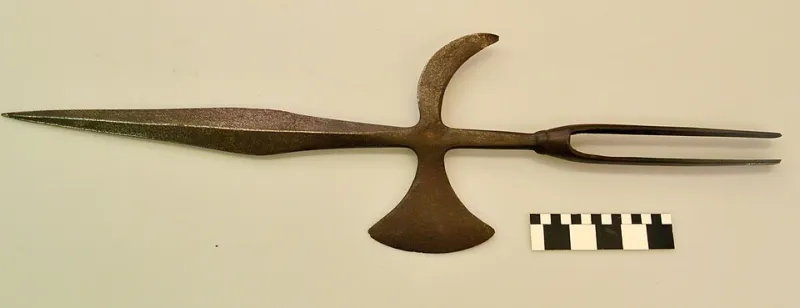
Photo: Unknown authorUnknown author, Public domain, via Wikimedia Commons
There's a moment every fall when the light changes. The sun drops lower, the rooms go cooler, and suddenly the airy linen-and-rattan look that felt so right in July starts reading a little thin. Winter is when homes get honest about texture — and nothing carries texture quite like forged metal.
At our forge, the calendar has a rhythm. Spring and summer belong to garden trellises and porch railings. But from October through the holidays, the requests shift inward: candle-holders, fireplace tool sets, trivets, stair runners, and small sculptural pieces that make a room feel grounded when everyone's cooped up inside.
Why Metal Reads as Warmth
It sounds backwards — we're trained to think of metal as cold. But visually, it's the opposite. Dark iron, bronze, and copper tones sit in the warm end of the color spectrum, and their weight gives a room what designers call visual gravity. A hand-forged candle stand isn't just a place to put tapers; it's an anchor. The flicker moves across the hammered surface, and suddenly a corner that felt forgotten in summer becomes the spot where everyone gathers.
There's also the tactility. Winter is a season of layers — sweaters, throws, thick socks. Forged metal fits that mood because it carries the marks of the hand: hammer facets, tapering scrolls, the slight irregularity that tells you a person made this, not a machine. In a season when we crave things that feel real, that irregularity is the whole point.
A Designer's Take: Layering Forged Texture With Wood and Wool
We asked a Portland-based interior designer who regularly specs custom metalwork how she approaches the colder months, and her answer came down to one word: contrast.
"Iron and wool are a natural pair," she told us. "The metal is hard and the wool is soft, and your eye loves that tension. I'll hang a forged wall piece above a chunky knit throw, or set a wrought-iron candelabra on a raw-edge walnut table. The materials argue a little, and that's what makes the vignette interesting."
Her other tip: don't scatter metal everywhere. One or two substantial pieces per room do the work. A forged stair runner rod or a dramatic fireplace screen can carry an entire space on its own — anything more and the room starts feeling like a tavern.
A few of her go-to winter pairings:
- Fireplace wall: a hand-forged tool set and screen against a stone or brick surround, with wool stockings hung on iron hooks.
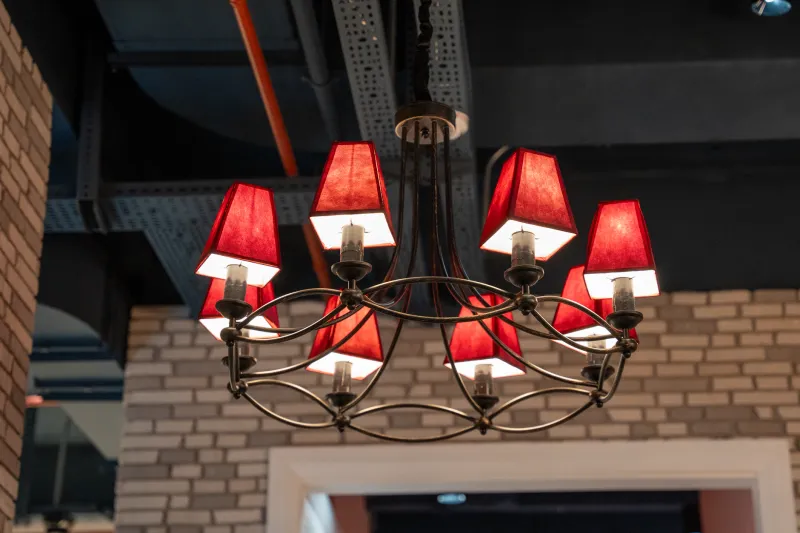
- Dining table: a long forged centerpiece runner with taper candles, set on a linen or wool table runner.
- Entryway: a heavy iron boot tray and wall hooks — the first warm handshake when guests come in from the cold.
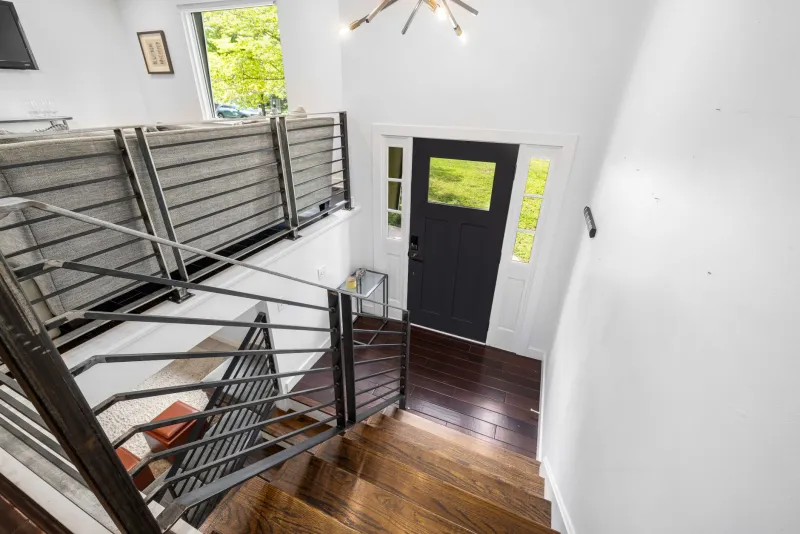
- Stairs: a wrought-iron stair runner rod along a carpeted staircase, adding old-house character even to newer builds.
Small Commissions Worth Booking This Fall
Here's the practical part: if you want a custom piece in hand before the holidays, fall is the time to order. Lead times on bespoke metalwork typically run six to ten weeks, and every smith in America gets flooded in November with requests that won't make it under the tree.
The good news? Some of the most charming pieces are also the most affordable. If a full commission is a next-year project, consider one of these smaller jobs:
- Hand-forged candle-holders or candelabra — often the fastest turnaround in the shop, and a holiday table showstopper.
- Iron fireplace tool sets — five pieces, endless use, and a gift that outlives the giver.
- Wrought-iron trivets and pot racks — kitchen pieces that earn their keep daily.
- Stocking hooks and mantel hardware — small, personal, and easy to personalize with a monogram or twist pattern.
- Wall hooks and coat racks — the entryway upgrade nobody thinks to ask for until they see it.
- A small forged sculpture or ornament — one-of-a-kind pieces that make genuinely memorable gifts.
Most of these can be quoted in a single email conversation and delivered well before the first snow sticks.
The Long Game
The best thing about winter metalwork is that it doesn't pack away in January. The candelabra you ordered for the holidays becomes a year-round presence. The stair rods you installed in November are still quietly doing their job next summer. Iron doesn't follow the seasons — it just settles in, picks up a little patina, and gets better acquainted with your home over time.
So while the forecast does its thing, think about where your rooms could use a little weight. Then give your local smith a call before the queue gets long. Winter is coming either way — you might as well meet it with something made by hand.