The Details Your Hand Touches Every Day: Why Railings and Hardware Deserve a Second Look
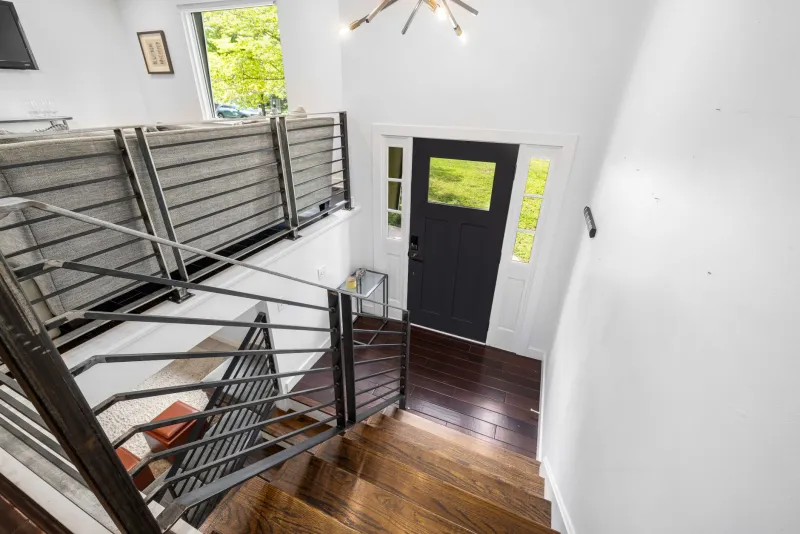
There's a moment that happens on almost every home tour we've ever been part of. The homeowner walks us through the kitchen renovation, the new floors, the statement lighting — and then, halfway up the stairs, they grab the railing without thinking about it. That's the moment. Because a railing is one of the few pieces of metalwork in a house that every single person touches, every single day.
And yet railings, pulls, screens, and hardware are usually the last things specified — often as an afterthought, ordered from a catalog because the budget ran out. Here's why that's a missed opportunity, and how to flip the script.
The Workhorses of Home Metalwork
Think of the metal elements in your home as falling into two camps. There are the showpieces — the sculpture on the mantel, the statement light fixture. And then there are the workhorses: the pieces you interact with constantly but rarely consciously notice.
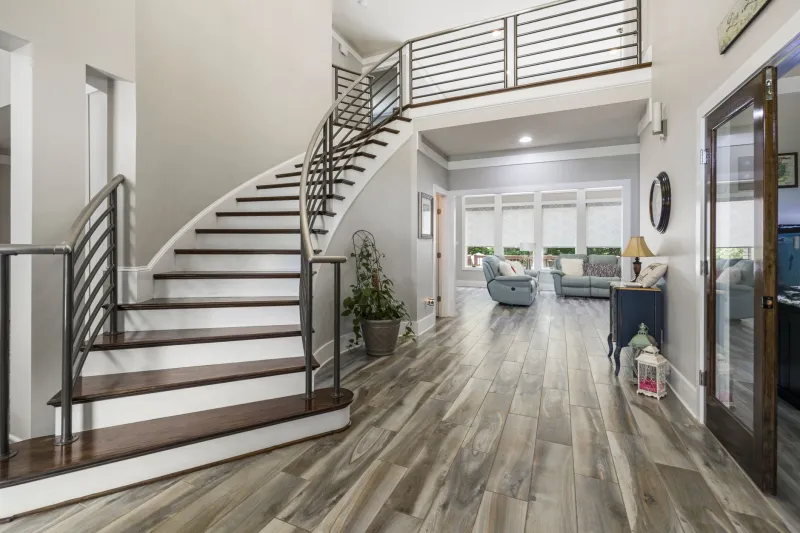
Stair railings and balustrades top the list. A handrail runs through multiple floors of your home — it's arguably the longest continuous design element in the whole house. A chunky, hand-forged rail with visible hammer marks reads farmhouse and warm. A thin, squared-off steel rail with hairline welds reads modern and architectural. Same staircase, completely different house.
Cabinet and drawer pulls are the smallest pieces with the biggest daily impact. You touch them dozens of times a day. Swapping out a builder-grade pull for a hand-forged one is one of the cheapest ways to make stock cabinetry feel custom.
Fireplace screens and tools anchor what's usually the visual center of a living room. A screen with real presence — hand-cut detailing, a substantial frame, a finish that plays off the surround — turns a functional safety item into part of the composition.
Window hardware, door handles, and hinges round it out. These are the details guests register subconsciously. Everything feels a little more solid, a little more intentional, when the metal has weight to it.
Why These Pieces Shape a Whole House
There's a concept designers borrow from architecture called the "third detail" — the idea that a space is defined not by its big moves but by the small repeated elements that show up everywhere. Handrails and hardware are exactly that. They appear on every floor, in every room. When they're consistent in finish and character, the house feels cohesive. When they're a grab bag of finishes from three different big-box stores, no amount of expensive tile fixes it.
There's also the tactile factor. Hand-forged metal has a heft and texture that stamped, hollow hardware simply can't imitate. Pick up a solid bronze pull and you'll understand immediately — it feels like it cost something, because it did.
A Designer's Checklist for Specifying Custom Metal Elements
Whether you're working with a fabricator like us or specifying for a client, run every piece through these questions:
1. Does the finish conversation start with the room, not the catalog? Pull samples of your flooring, stone, and existing hardware before choosing a finish. A blackened steel rail that looks great on a showroom shelf can go flat against warm oak floors. We always recommend live samples in the actual space, under actual light.
2. Is the scale honest? A too-thin railing on a grand staircase looks apologetic. A too-heavy pull on a shaker drawer looks like a costume. Match the visual weight of the metal to the weight of the architecture.
3. Are the details consistent across pieces? If your stair rail has a specific twist or flat-bar profile, echo it in the door handles or the fireplace screen. Repetition is what makes custom work feel like a collection rather than a shopping cart.
4. Have you planned for the hand? Railings especially need to feel good — smooth welds, comfortable diameter (typically 1.25 to 2 inches), no snag points. Beauty that's unpleasant to grip is a daily reminder of a shortcut.
5. Does the patina plan match the lifestyle? A raw steel rail in a house with kids and dogs needs a clear coat or a waxed finish from day one. Decide upfront how the piece should age, not whether it will.
6. Is there one intentional signature? Even a small flourish — a hand-chiseled end cap, an asymmetrical scroll — marks the piece as made, not manufactured. One signature detail per element is enough.
Start With What You Touch
If a full custom commission isn't in this year's budget, start small and start tactile. Replace the pulls in the kitchen. Re-screen the fireplace. You'll be surprised how a few pieces of metal with real character in them start pulling the whole house together — quietly, one handhold at a time.