Humidity, Sunlight, and Steam: The Silent Enemies of Your Metalwork
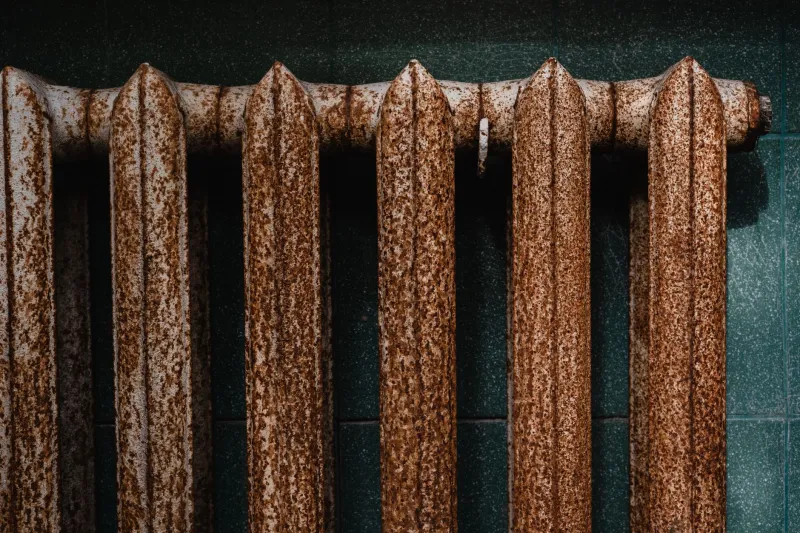
Every metalworker has the story. A client falls hard for a hand-forged piece — a mirror frame, a candle sconce, a botanical wall sculpture — and six months later calls the shop, baffled. The finish is clouded. Rust blooms along the scrollwork. Nothing about the piece was flawed. It was simply living in the wrong room.
"Nine times out of ten, it's not the metal that failed," says Dana Whitfield, a smith who's been fabricating custom work out of her Tennessee shop for eighteen years. "It's that nobody asked where the piece was going. Or worse — the client didn't know it mattered."
It matters. A lot. Here's what's actually happening inside your home, room by room.
The Three Quiet Destroyers
Humidity is the big one. Bathrooms can sit above 70% relative humidity after a single hot shower, and repeated swings between wet and dry are exactly what accelerates oxidation on ferrous metals. Bare or lightly waxed wrought iron in a regularly used bathroom is on borrowed time.
Heat and temperature swings stress the finishes, not just the metal. Powder coat and paint expand and contract at different rates than the steel underneath. A piece mounted above a wood stove or near an oven will eventually show hairline cracking in the coating — an entry point for moisture.
UV exposure fades and degrades finishes over time. A sunroom or a wall opposite a big south-facing window gets hammered with sunlight daily, and even quality clear coats will yellow and chalk within a few years.
What Holds Up Where
The good news: there's a metal and finish combination for nearly every room. You just have to match them deliberately.
Stainless steel is the workhorse of wet environments. A brushed or satin 304-grade piece shrugs off bathroom humidity, and if your budget allows, marine-grade 316 handles coastal salt air too. It's not as romantic as forged iron, but modern brushed stainless — especially when hand-textured — reads as warm, not clinical.
Sealed and powder-coated carbon steel does fine in kitchens and living spaces, where humidity is moderate. The key is the coating quality. A proper powder coat, applied and cured correctly, is dramatically more durable than spray paint.
Bronze and brass are the aristocrats of humid rooms. They don't rust — they patinate, shifting toward deeper browns and greens over the years. If you love that living finish, great. If not, a lacquered version locks in the original tone.
For wrought iron specifically: reserve it for bedrooms, entries, hallways, and living rooms — spaces with stable, moderate conditions. In bathrooms, only with a marine-grade clear coat and good ventilation, and even then expect maintenance.
The Mistake Clients Make Before the Commission Even Starts
Whitfield says the most common failure happens at the very first meeting. "People describe the piece. They rarely describe the room. I've had clients order a gorgeous raw-steel wall piece for a master bath and only mention the location when they come to pick it up. By then, the design's done."
Her advice: when you commission a piece, bring photos of the space. Mention windows, heaters, showers, fireplaces. A good smith will adjust the alloy, the finish, or even the design itself — thin, open scrollwork weathers better than tight crevices that trap moisture, for example.
And if a shop doesn't ask? "That's a red flag," she says flatly. "We're not just making an object. We're making an object for your house."
The Room-by-Room Cheat Sheet
Bathroom: Brushed stainless, sealed bronze, or lacquered brass. Avoid bare iron and mild steel. Ventilation counts as part of the finish.
Kitchen: Powder-coated steel, stainless, or sealed copper. Keep decorative pieces out of splash zones and away from the range hood's exhaust path.
Sunroom / four-season porch: UV-stable powder coat, patina-friendly bronze, or architectural-grade aluminum. Skip clear-coated steel — the sun will win.
Living room, entry, bedrooms: This is wrought iron's home turf. Wax or lacquer finishes hold beautifully in stable indoor air.
Outdoor covered spaces: Hot-dip galvanized steel under powder coat, or weathering steel if you want the rust-look done intentionally and safely.
Near fireplaces and stoves: Solid bar stock with high-temperature finishes only. Thin decorative stock and standard coatings will not survive radiant heat.
Ask Before You Buy
Whether you're commissioning something custom or buying a finished piece from a maker at a craft fair, three questions will save you a world of regret: What alloy is this? What's the finish, and how is it applied? And what conditions can it live with?
A maker who can answer all three in a sentence or two is a maker whose work will still look right a decade from now. The metal itself rarely fails. The matchmaking does.