Let It Age: A Homeowner's Guide to Living With (and Loving) Patina
There's a moment that happens on almost every studio tour we give. A visitor runs a hand along a copper panel we finished a few years back, notices the soft blush of brown creeping through the highlights, and asks the question we hear more than any other:
"Is it supposed to do that?"
Short answer: yes. Longer answer: it depends on what you want, where you live, and how much you're willing to intervene. Patina — the natural surface change metal undergoes as it reacts to air, moisture, and touch — is the single most misunderstood part of owning handcrafted metalwork. So let's pull back the shop curtain and talk about it honestly.
What Patina Actually Is (No, It's Not Rust Damage)
Patina is chemistry doing its thing. When metal meets oxygen and humidity, the surface oxidizes. On copper and its alloys, that produces a protective layer — the reason the Statue of Liberty is green and has been standing for nearly 140 years. On steel, oxidation can go two ways: a stable, sealed surface finish, or active rust that keeps eating if left unchecked. Wrought iron sits somewhere in between, forming a dark, dense skin that old gates and fences across New England and the Midwest have worn proudly for a century or more.
The key distinction: patina is stable; rust is progressive. One is a finish. The other is a maintenance ticket.
A Quick Field Guide to How Each Metal Ages
Copper starts out bright, salmon-pink, almost glowing. Over months it deepens to chocolate brown; over years (outdoors, at least) it can head toward that famous verdigris green. Indoors, in a dry living room, it mostly settles into a rich, warm brown that reads almost like aged leather.
Brass moves from bright gold to a deeper, honeyed tone, then eventually to a mottled brown-green if left raw. It's touch-sensitive too — that's why brass door handles on old buildings are polished bright only where hands meet them, with a darker halo everywhere else.
Steel darkens and, if unsealed and damp, develops orange rust. But with a proper clear coat or a forced patina finish, steel holds a moody charcoal or a variegated blue-brown that's become a favorite in modern farmhouse and industrial-style homes.
Wrought iron is the slow elder of the group. It patinas gently, darkens, and — with basic care — can outlast the house it hangs on.
The Humidity Map: Why Your Zip Code Matters
Here's something most retail decor labels won't tell you: where you live changes the math.
If you're on the Gulf Coast, in Florida, or anywhere humidity routinely tops 70%, raw metal works overtime. Unsealed copper and brass will color fast. Bare steel will rust — quickly. Coastal homes add salt air to the mix, which accelerates everything. In these climates, we almost always recommend a sealed finish: a quality lacquer, a baked clear coat, or a powder coat.
In the dry Mountain West — think Denver, Boise, Albuquerque — metal ages in slow motion. Raw finishes can stay stable for years, which makes it a great region for homeowners who want to let a piece evolve naturally.
The Pacific Northwest and much of the Northeast sit in between: moderate humidity, seasonal swings, and indoor HVAC that usually keeps things tame. Sealing is still smart for anything near a bathroom, kitchen, or coastal window.
Light, Touch, and Lifestyle
Humidity isn't the only factor. Direct sunlight heats and dries metal surfaces, which can unevenly accelerate color change and fade any applied coatings over time — so a wall sculpture on a south-facing wall in Texas will age differently than the same piece in a shaded Vermont hallway.
Touch matters too. Every fingerprint on brass carries oils that etch the surface. A sculpture in a busy family room will patina in a completely different pattern than one in a formal parlor. Pets, kids, wood stoves, aquariums — all of it shapes how a piece evolves.
Three Paths You Can Take
1. Embrace it. Choose raw or waxed finishes and let the piece record your home's life. This works beautifully for copper range hoods, brass accents, forged iron hardware, and anything with a rustic or historic sensibility. Designers call this "living finish," and it's why a 30-year-old hand-forged candleholder looks better than anything you can buy new.
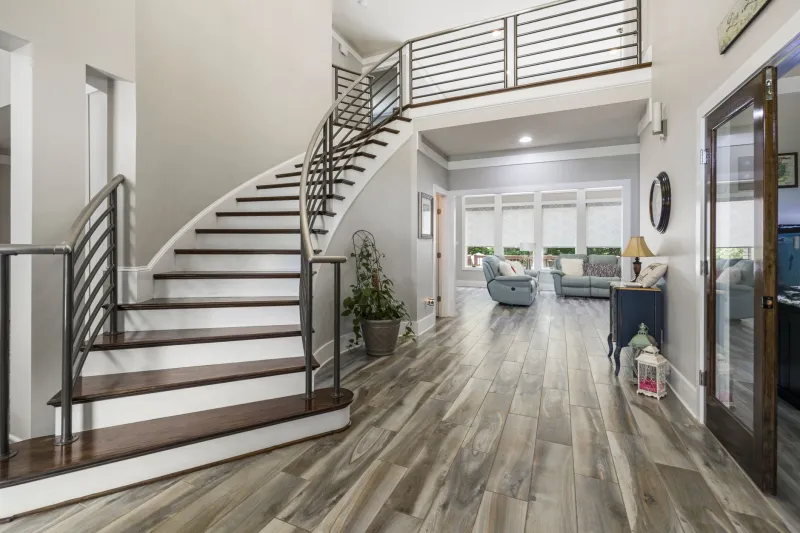
2. Freeze it. A clear lacquer or powder coat locks the metal at today's color. Great for statement pieces in polished brass or bright copper where you want consistency — think a modern stair railing or a mirror-frame commission. Expect to re-apply lacquer on high-touch pieces every few years.
3. Direct it. This is the artisan's middle path. We can force a patina with heat or chemical treatments — blues, browns, blacks, greens — then seal it. You get character and depth on day one, with the stability of a controlled finish.
Everyday Care, Minus the Anxiety
- Dust with a soft, dry cloth. Skip the spray cleaners — most contain acids that strip finishes.
- For waxed pieces, re-wax once or twice a year with a microcrystalline wax (museum conservators use it too).
- Wipe fingerprints off brass and copper promptly if you're protecting the finish.
- Never use steel wool or abrasive pads, even on rusty steel — you'll scratch and leave particles that bloom into rust of their own.
- If rust appears on unsealed steel, treat it early: fine sandpaper, a rust converter, and a clear coat will stop it cold.
The Bottom Line
Patina isn't your decor failing. It's your decor participating. A mass-produced piece coated in epoxy looks identical the day it's discarded as it did the day you bought it — it never had a story to age into. A handcrafted piece, matched to your climate and cared for (or deliberately neglected) the right way, becomes more yours every year.
When you commission a piece, tell us about your home — the humid summers, the sunny wall, the kids who can't resist touching everything. That's not small talk. That's the spec sheet for a finish that will still be right a decade from now.