Where Your Money Actually Goes: An Honest Breakdown of a Custom Metal Commission
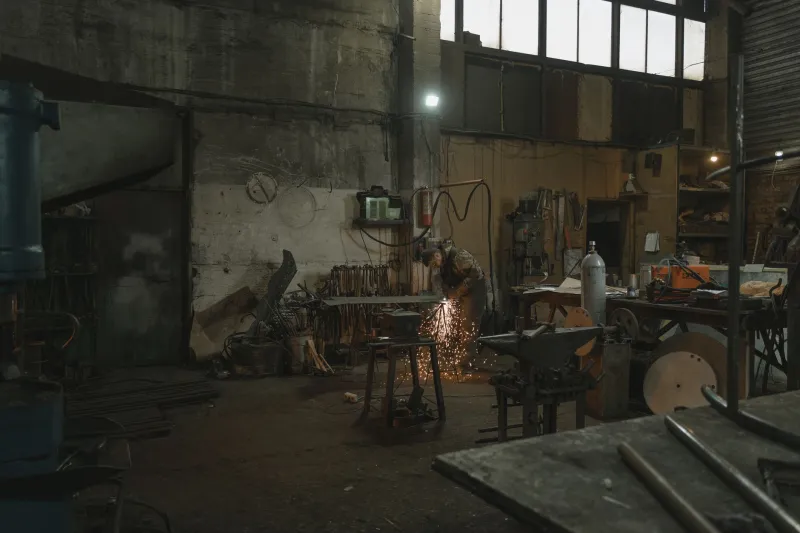
Let's talk numbers. Not in a salesy way — in a let's-pull-back-the-curtain way. When a homeowner or interior designer asks us why a custom steel console base runs four figures while a similar-looking import costs $200, we don't get defensive. We get out a napkin and do the math. Here's that math, written out properly.
The Design Phase Is Real Work
Before a single spark flies, there's a conversation. Maybe several. We sketch, we revise, we talk about the light in your room, the weight of the piece, whether steel or brass or weathered corten fits the mood. For a typical commission, that's 5 to 15 hours of design time before fabrication even begins.
Mass-produced decor skips this entirely — a factory in another country makes 10,000 identical units based on what a catalog predicted you might want. A custom piece starts with what you actually want. That difference shows up in the price, and honestly, it should.
Materials: It's Not Just "Metal"
Here's something most people don't realize: the steel you buy at a big-box store and the steel a metal shop sources can be worlds apart. We order specific alloys from US mills and suppliers — plate thickness rated for the actual load, not whatever's cheapest. A handrail that needs to hold 250 pounds of human being mid-step is not the same engineering problem as a decorative wall hanging.
Then there's the finishing stock: patina chemicals, sealants, quality abrasives. A good clear coat alone can run $80 to $150 per piece. Nobody frames that on Instagram, but it's the difference between a patina that ages gracefully and one that flakes off in two years.
Hand-Finishing: The Part You Can Feel
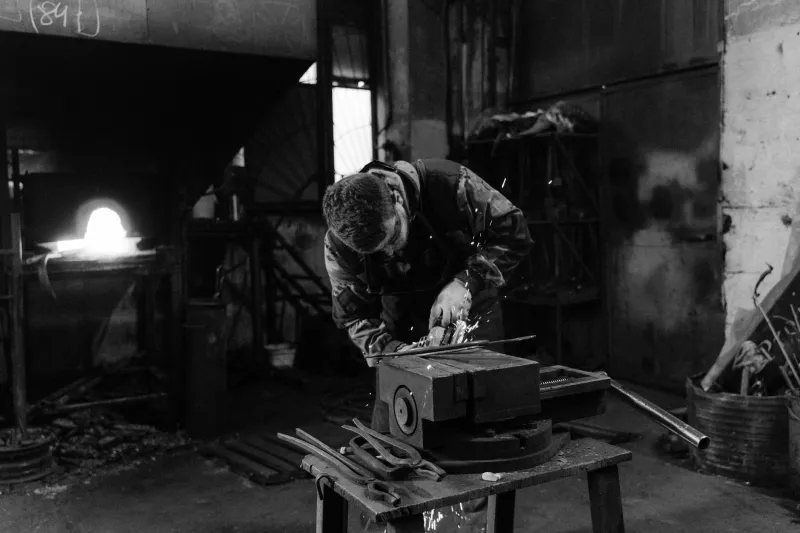
Run your hand across a mass-produced metal frame. It's uniform — because a machine made it that way. Now run your hand across a hand-finished piece. There's a subtle rhythm to the grind marks, a texture that says a person spent hours with an angle grinder and a flap disc, working the surface until it caught light the right way.
Hand-finishing a medium-sized sculpture can take 10 to 20 hours. Patina control is its own dark art: layering heat and chemicals, watching how the metal reacts, stopping the process at exactly the right moment. It's part chemistry, part gut instinct, and it can't be rushed.
Joinery: Why It Doesn't Wobble
Anyone can weld two pieces of steel together. Making a joint that's hidden, structurally sound, and clean enough to look intentional from three feet away — that's craft. Mortise-and-tenon joints in steel, brazed seams, countersunk fasteners, welded-and-ground corners that disappear entirely: these techniques take years to master.
When a designer specifies a custom piece for a client's home, this is a big part of what they're paying for. They know the piece won't rack, wobble, or rust at the seams. It'll outlast the sofa, the flooring, maybe the house's next three owners.
The Honest Cost Breakdown
So where does a typical commission budget land? Roughly speaking:
- Materials and consumables: 15–25%
- Fabrication labor: 35–45%
- Design and engineering: 10–15%
- Finishing and patina: 10–15%
- Shop overhead, insurance, delivery, and installation: the rest
Notice what's not on that list: a retail markup stack. When you buy imported decor, you're paying the factory, the exporter, the importer, the distributor, and the store — five markups on a piece nobody made specifically for you. With a commission, nearly every dollar goes to people and materials involved in making your object.
Why Designers Don't Flinch at the Price
Interior designers get it because they see the alternative fail. They've watched cheap metal decor pit and tarnish within a season. They've spec'd a client's dream entryway only to have a flimsy, mass-produced piece undercut the whole room.
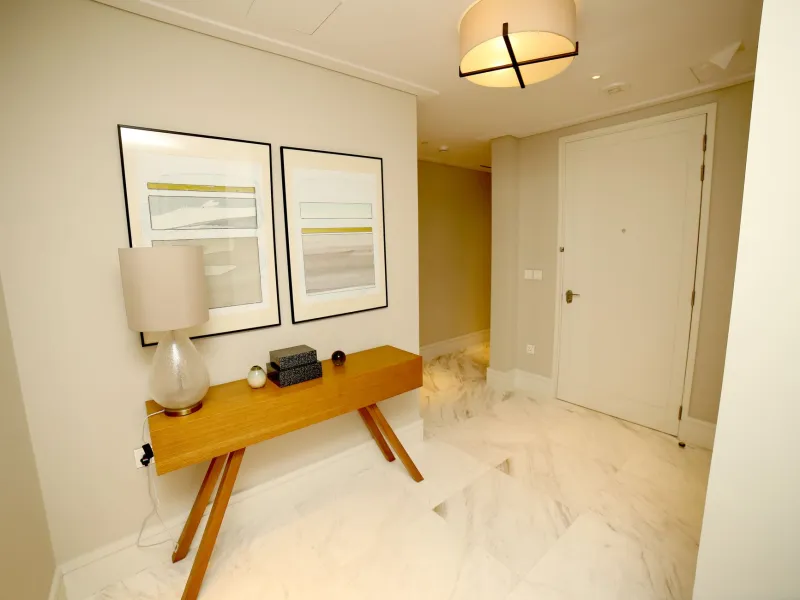
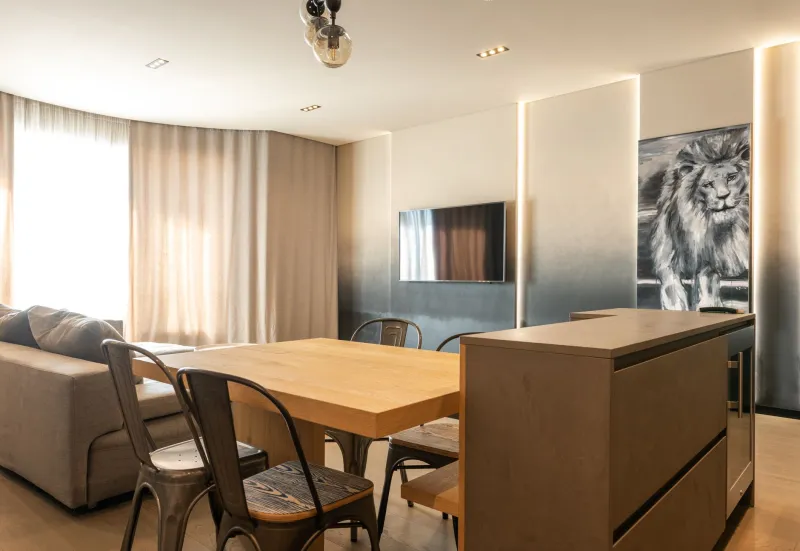
A custom piece solves problems a catalog item can't: it fits an odd alcove exactly, it matches the patina of existing hardware, it becomes the thing guests ask about. And when a designer puts a handcrafted piece in a project, they're not just buying decor — they're buying a story they can tell their client.
That's the whole case, really. You're not paying for metal. You're paying for the hours, the judgment, and the stubbornness it takes to make something once, properly, by hand.