The Mark of the Hand: How Provenance Turns a commissioned Railing Into a Family Heirloom
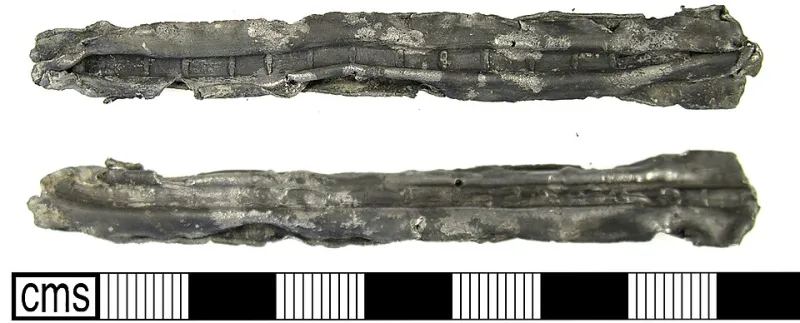
Photo: Museum of London, Kate Sumnall, 2008-08-11 10:32:15, CC BY-SA 2.0, via Wikimedia Commons
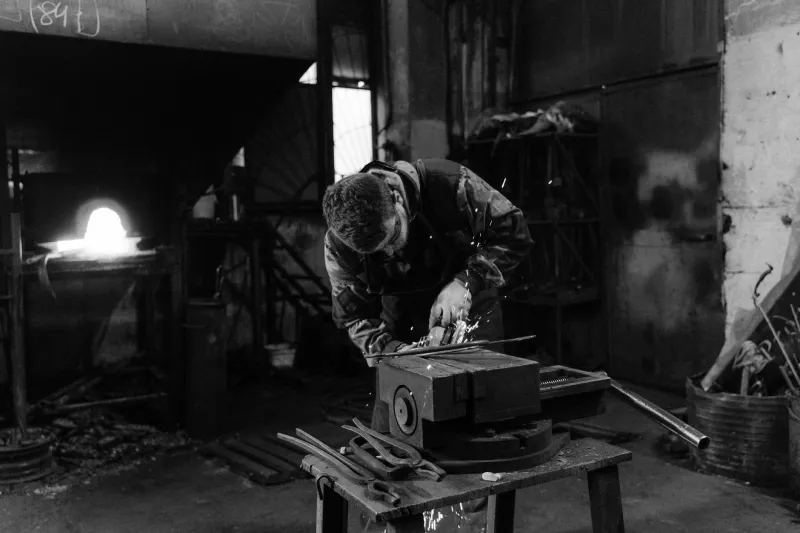
There's a moment in nearly every forge visit we host that surprises first-time guests. It's not the glow of the forge or the ring of the hammer. It's when the fabricator flips a finished bracket over, pulls out a stamp, and whacks it once — leaving a small mark: initials, a shop symbol, sometimes a date.
That single strike is the whole point. It's the difference between an object and an artifact.
What a Maker's Mark Actually Does
Walk through any antique show in New England or a vintage shop in Santa Fe and you'll notice something: the pieces with known makers command attention and price. A wrought iron andirons with a legible smith's stamp from a Pennsylvania shop? That's a conversation piece. The identical pair with no mark? Just old iron.
Contemporary American metalworkers understand this, and increasingly they're borrowing a page from studio furniture makers and potters. A stamped signature, an etched logo on an inconspicuous edge, a punched serial tied to a shop ledger — these are quiet declarations that says a person made this, and here's who.
For buyers, that mark does something no finish or patina can: it anchors the piece in time and place. Fifty years from now, when your grandchildren are arguing over who keeps the dining table, that stamp is the thread back to a specific shop, a specific town, a specific pair of hands.
Beyond the Stamp: Building a Paper Trail
The mark alone is a good start, but the fabricators who think hardest about legacy go further. Ask around and you'll hear a consistent kit of documentation that serious shops now offer — or will happily provide if you ask:
- A certificate of authenticity naming the maker, the shop, the materials, and the commission date
- Process photos from raw stock to finished weld — the mid-build shots where the piece doesn't look like anything yet
- Short process videos, increasingly standard, showing the actual forging or fabrication
- Material documentation, especially for pieces with a story behind the stock: reclaimed barn beam brackets from a Wisconsin farmstead, steel from a decommissioned mill
- The original design drawings or sketches, signed by both maker and client
None of this costs a shop much. Most fabricators are already photographing work for their portfolios. The shift is simply deciding that the story is part of the product — and handing it over deliberately.
Why Buyers Should Care (Even If You're Not Selling)
Here's the thing most homeowners miss: provenance isn't really about resale. It's about stewardship.
We've talked before about buying once and passing pieces down, and documentation is what makes that handoff real. A sculptural fireplace screen without a story is a heavy object someone has to move. The same screen with a folder of forge photos, a letter from the smith, and a stamped mark becomes a piece of family history with receipts.
And yes, in the real world, it matters financially too. The American craft market has matured to the point where collectors of contemporary metalwork exist, and dealers increasingly ask the same questions they'd ask about a studio ceramicist: who made it, when, how many, and can you prove it?
How to Document a Commission the Right Way
If you're commissioning a piece — a railing, a fire feature, a statement light — here's the short checklist worth following from day one:
- Ask about the mark before the work starts. Where will it go? What does it look like? A good shop will be delighted you asked.
- Request process documentation in writing. Most fabricators will include photos and a certificate if you mention it at kickoff rather than at delivery.
- Keep the correspondence. The email thread where you hashed out dimensions and finish isn't clutter — it's provenance.
- Store everything together. A simple folder, physical or digital, that lives with the piece. Tape a note to the underside of a table with the file location. Future-you will be grateful.
- Add your own chapter. Write a line about why you commissioned it, where it lives, what it means. The maker's story and yours together make a complete record.
The Story Is in the Metal
There's a romantic notion that a handcrafted piece speaks for itself. Maybe some do. But most objects are mute — they wait for someone to tell people what they are.
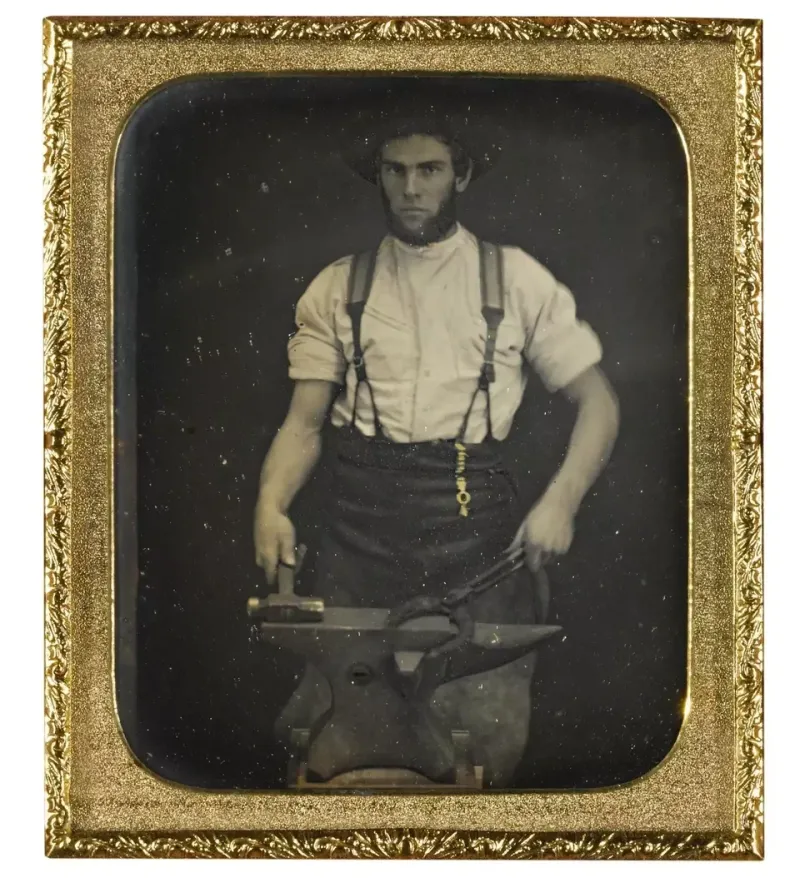
A stamp, a certificate, a photo of a smith at the anvil: these are the translation layer between the maker's hands and whoever holds the piece next. And unlike the metal itself, that story costs nothing to preserve and only appreciates with time.
When you commission your next piece, ask for the mark. Ask for the photos. Ask who, exactly, will sign it.
The answer is worth more than its weight.