One Garage, One Anvil: Inside the Small American Workshops Keeping Metalwork Personal
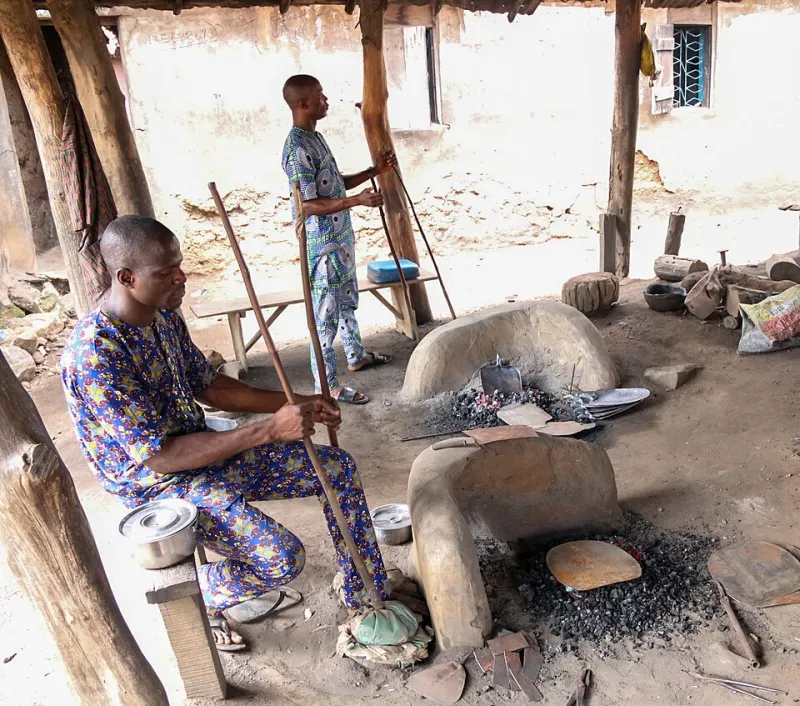
Photo: Agbalagba, CC BY-SA 4.0, via Wikimedia Commons
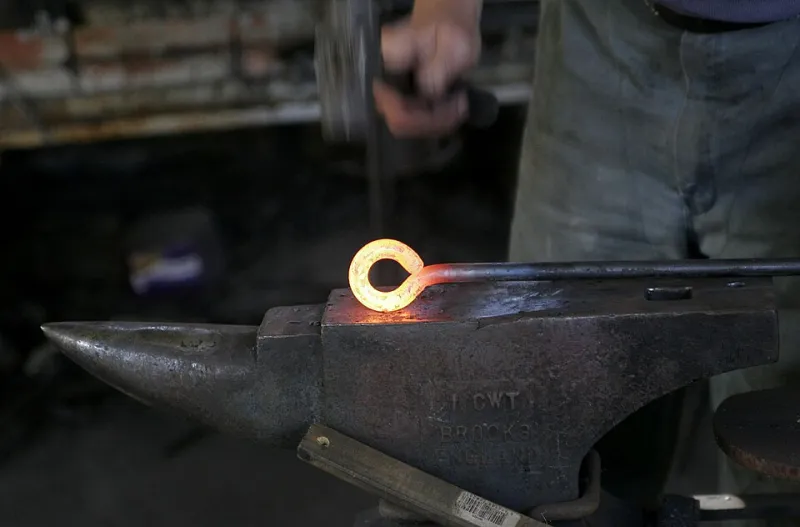
There's a particular sound a coal forge makes at 6 a.m. in rural Ohio — a low, steady roar that carries farther than you'd expect across a cornfield. For metalsmith Dale Whitmore, that sound is the start of the workday, and it's been that way for eleven years since he left a career in commercial welding and moved his operation into his grandfather's barn.
"People picture a big industrial shop," he says. "Mine's got hay dust in the rafters and a wood stove that barely works. Doesn't matter. The iron doesn't care where it gets forged."
Whitmore is one of a quiet wave of independent metal artists working across the U.S. in spaces most people would call inadequate — converted garages in suburban Phoenix, pole barns in Vermont, a rented bay behind a shuttered feed store in Oregon. Their studios are small. Their ideas aren't.
The Garage Studio Is Having a Moment
Part of what makes these shops possible is that the barrier to entry has never been lower. A basic forge, an anvil, a few hammers, and a welder can get a serious smith started for less than the cost of a used car. What can't be bought cheap is the skill — and that's exactly where these makers distinguish themselves.
Many came to the craft sideways. A former architect in North Carolina started forging cabinet pulls after a layoff and now has a nine-month commission backlog. A Montana rancher taught himself repoussé from old library books and now sells decorative panels to interior designers in three states. The common thread isn't a formal education in metalwork — it's an obsession with making things that last.
"I've got a customer who bought one of my fire screens eight years ago," says Whitmore. "She called last month because the patina had developed this deep blue-black and she wanted to know if it was okay to leave it. That call made my whole week. Somebody's paying attention."
What They're Actually Making
Don't picture horseshoes and coat hooks. Today's small-shop smiths are producing work that competes with — and often outclasses — high-end commercial decor:
- Custom stair railings with hand-forged scrollwork that a fabrication shop simply can't replicate
- Statement light fixtures shaped around a client's dining room, not a catalog page
- Sculptural fire pits and hearth tools built to survive decades of outdoor weather
- Architectural hardware — door pulls, hinges, brackets — that turn a builder-grade house into something with character
Because these makers handle every step themselves, from design to final finish, the pieces carry a coherence you don't get when a project gets passed between departments. The person who sketches your railing is the person who heats the steel, and the person who heats the steel signs the work.
Why It Matters for Your Home
There's a practical case for buying from a small shop, and it goes beyond sentiment. When you commission a local metalsmith, you're usually getting:
Direct collaboration. No account managers, no middlemen. You talk to the maker, the maker builds the piece.
Materials chosen for your climate. A smith in coastal South Carolina knows which finishes will survive salt air. One in Minnesota thinks about freeze-thaw cycles. That local knowledge gets built into the work.
Repairability. A hand-forged piece can usually be reworked, re-welded, or refinished by the person who made it. Try calling a big-box supplier about that.
Money that stays local. Every dollar spent with an independent maker circulates in your own community rather than disappearing into a corporate supply chain.
How to Find a Maker Near You
The tricky part is that the best small shops often don't advertise. They're full from word of mouth. A few ways to track them down:
- Search regional craft organizations. Groups like local blacksmithing guilds and state arts councils keep member directories, and most smiths belong to at least one.
- Check craft fairs and maker markets. Even if the piece you want is bigger than what's on the table, these events are where small makers show their hand.
- Ask interior designers. Designers keep shortlists of fabricators and artisans they trust — it's one of the reasons people hire them.
- Look for the maker's mark. If you already own a handcrafted piece, the stamp or signature on it can lead you back to the shop that made it.
And when you do reach out, be ready with more than a Pinterest board. The best small-shop commissions start with a conversation about the space, the light, the people who live there. "I ask more questions than my clients expect," says Whitmore. "But the railing that comes out of that conversation? They'll be showing it to their grandkids."
The Long Game
There's a temptation to think of handcrafted metal as a luxury splurge. But talk to these makers long enough and a different framing emerges: it's the slow, deliberate alternative to a fast-furniture economy that fills homes with things nobody will remember in five years.
"Everything I've ever sold is still in use," Whitmore says. "Every single piece. You can't say that about much these days."
Somewhere near you — maybe two towns over, maybe down a gravel road — there's a garage or a barn with a forge burning in it. The person inside is waiting for their next good commission. It might be yours.